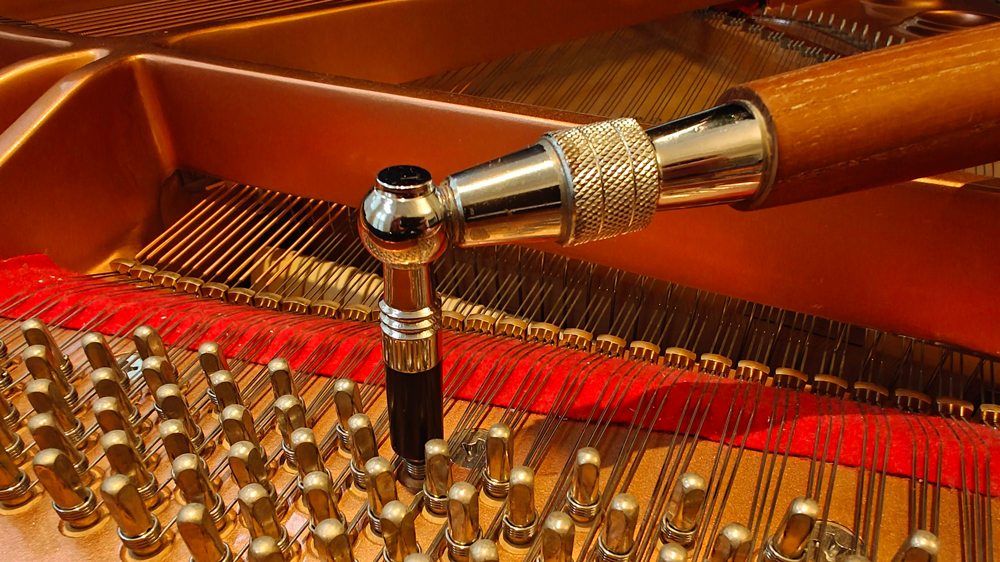
Piano Tuner Services in South London for Upright and Grand Pianos
Serving Streatham, Brixton, Clapham, Balham, Tooting, West Norwood, Herne Hill, Dulwich, and surrounding South London areas. To book or enquire, call 07828 912 290 or get in touch here!
PRICING
Standard tuning (60–90 minutes): £100
Pitch raise: £150 as a standard rate. Where a piano's pitch has dropped significantly — by a full tone or more — multiple visits may be required to bring it safely back to concert pitch. In such cases, the total cost will be discussed and agreed before work proceeds.
Voicing, additional maintenance, repairs: tbd
Cancellations within 24 hours are subject to a full charge.
Looking for an experienced piano tuner? Get in touch here!
Regular piano tuning is crucial for maintaining both the sound quality and longevity of your instrument: Pianos are highly sensitive to changes in temperature and humidity, which directly affect their tuning stability. Whether you own a cherished family heirloom or a high-performance grand piano, consistent tuning helps preserve its tonal character and playability.
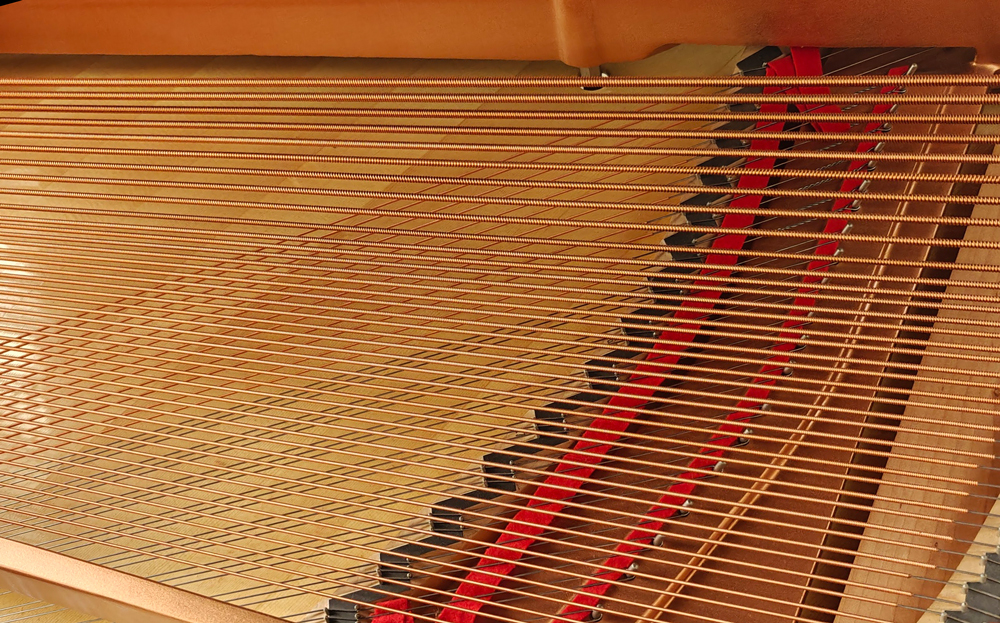
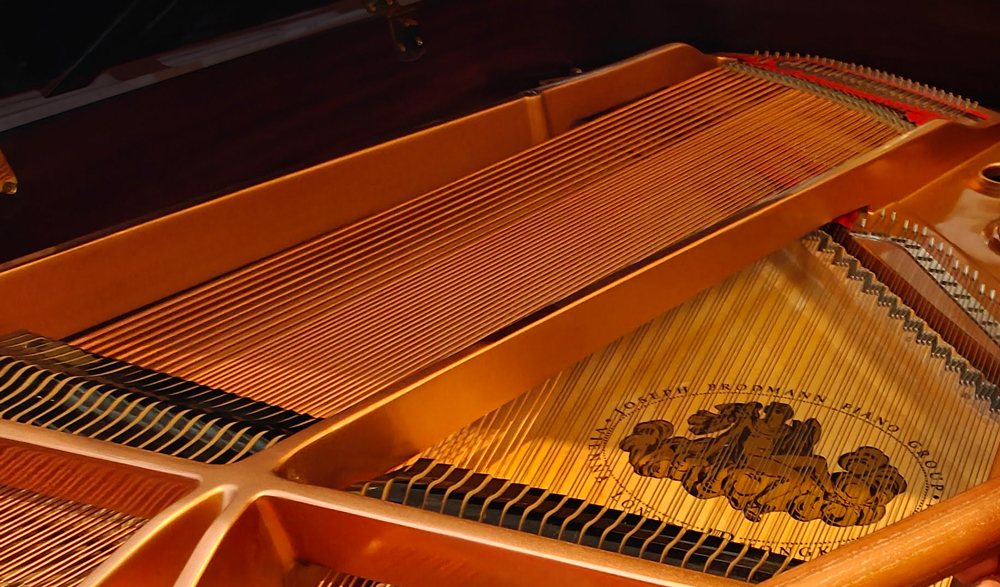
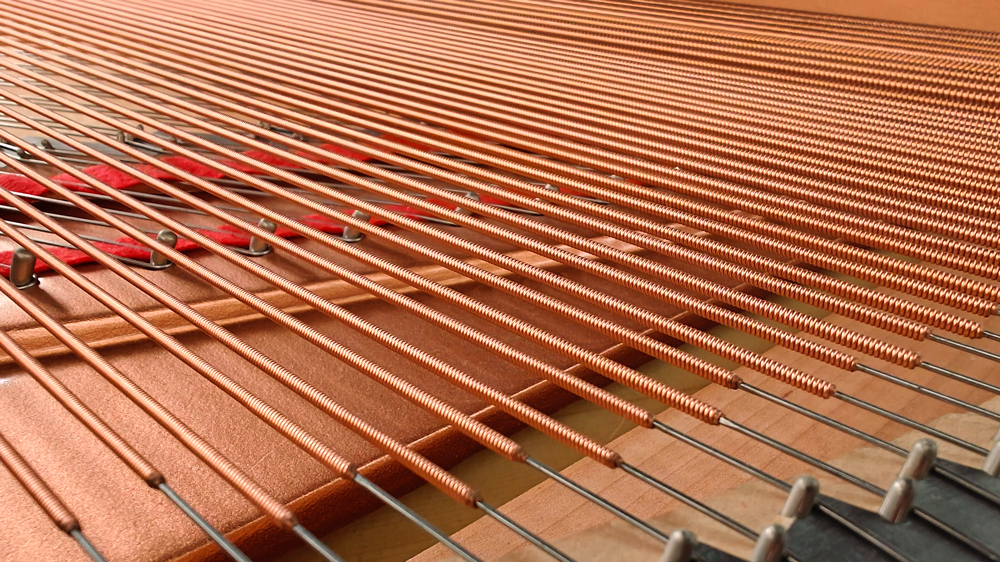
A piano's 230+ steel strings are under immense tension, collectively exerting up to 20 tons of pressure on the frame. Over time, these strings naturally lose tension, causing the piano to go out of tune. In addition, seasonal changes in temperature and humidity further impact the piano's soundboard, which in turn alters the tension of the strings, requiring regular tuning to counteract these fluctuations. A simple hygrometer helps you keep an eye on conditions; in more extreme cases, a humidity control system may be worth considering, protecting the instrument's structural integrity.
For pianos kept in stable environments, tuning twice a year is generally sufficient. Ideally, these sessions should occur a few weeks after the heating is turned on for winter and again a few weeks after it is turned off for summer, allowing the piano to acclimate to new conditions before being tuned. In more demanding settings, such as humid climates or with frequently played pianos, tuning 3–4 times per year may be necessary. For recreational use, 1–2 tunings annually will usually suffice.
Regular tuning not only ensures that your piano sounds its best but also allows for early detection of minor issues before they escalate into costly repairs.
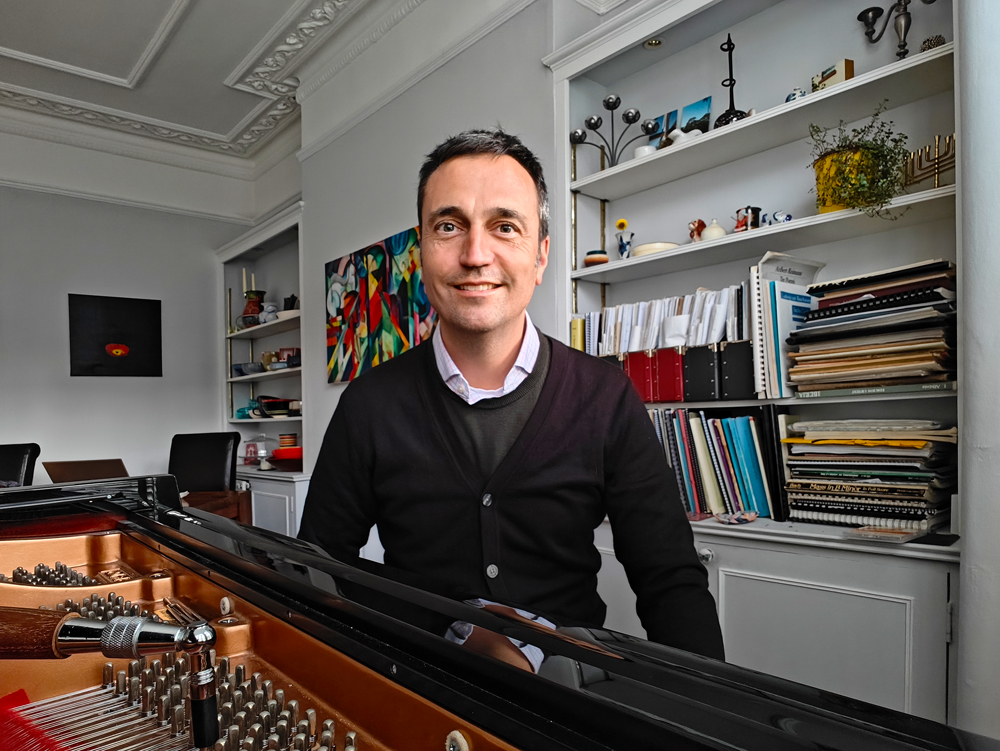
Hello, I'm Markus, your dedicated piano tuner in South London. As a professional concert musician, I bring a performer's ear to every tuning — which is what led me, many years ago, to start tuning my own pianos. What began as a practical necessity became a deep passion, and today I combine musical expertise with technical precision to get the very best out of your instrument.
I take pride in helping both amateur and professional pianists achieve the finest sound quality from their instruments. Whether tuning a cherished upright piano or a grand piano taking centre stage, I approach each project with meticulous care and attention to detail.
I work with both recreational players and professional pianists, and I'm always happy to advise on care, placement, and humidity control — small things that make a real difference to how long your piano stays in tune.
A tuning session is an on-site visit to your home. First, I measure the piano's current pitch to determine how far it has drifted over time. If the piano has been tuned regularly, a standard fine tuning will be sufficient. However, if the piano is more than 10 to 13 cents low, a pitch raise might be necessary – based on how relaxed the tuning is and whether you play together with fixed-pitch instruments such as woodwinds.
A pitch raise is needed when the overall tension across the strings has fallen far enough that a single tuning pass cannot reliably bring the piano to the target pitch. This can only be confirmed after the initial pitch measurement. A pitch raise effectively doubles the work: strings must be brought close to pitch first, then stabilised and fine-tuned accurately. Pianos maintained regularly usually stay within a range that can be tuned in one visit. If the instrument has dropped by a semitone or more, several sessions may be required to lift it safely to concert pitch.
Pianos respond to seasonal changes in temperature and humidity. Central heating in winter can dry the soundboard and shift the tuning, while humid summer air can raise the pitch. The most stable periods are typically spring and autumn, when conditions are moderate. Regular tuning at the same time each year helps maintain long-term stability.
I can tune to either reference. A440 (concert pitch) is the standard for most players and ensembles, and it is the tuning I generally recommend. A442 is sometimes preferred by certain orchestras or advanced players seeking a slightly brighter sound, but this is a matter of context and preference.
Modern tuning is usually done in equal temperament, which ensures all keys and harmonies are equally usable and is the accepted standard for most contemporary and classical playing. Alternatives include well-temperaments or historical temperaments – which can provide distinctive colour in different keys but come with trade-offs in flexibility. Some players might choose such a temperament for period-appropriate performance or for a specific tonal character, understanding that some keys will sound more focused while others may sound more tense or subdued.
Hi Markus, I'm so glad I called you! I had no idea our piano could sound so good, the difference is like night and day! Look forward to seeing you again in spring. - Rod
After years of neglect, my gran's upright piano has found its voice again. Fantastic job, thank you so much! - Maria
We couldn't be happier, it sounds so good! Also many thanks for fixing the two keys, this has been bothering me for a long time. - Elizabeth
We are so happy with the work you have put in yesterday. Thank you for your perfectionist approach, it makes such a difference! - Nick
Thanks a lot for providing the best tuning service I have had in years. Looking forward to have you over again next time. - David
Got a piano that needs some attention? I'd love to hear from you — whether you're ready to book or just have a question. I'm happy to advise on what your piano might need before committing to an appointment.
When you get in touch, it helps to mention the make and approximate age of your piano, any issues you've noticed, your address, and your availability — but don't worry if you're not sure about any of it.
Please get in touch via or phone 07828 912 290.
© fine-piano-tuning.co.uk, 2026. All rights reserved.